
No products in the cart.
Blouse Measurement Checklist: What to Confirm for a Better Fit
Measure for balance and movement
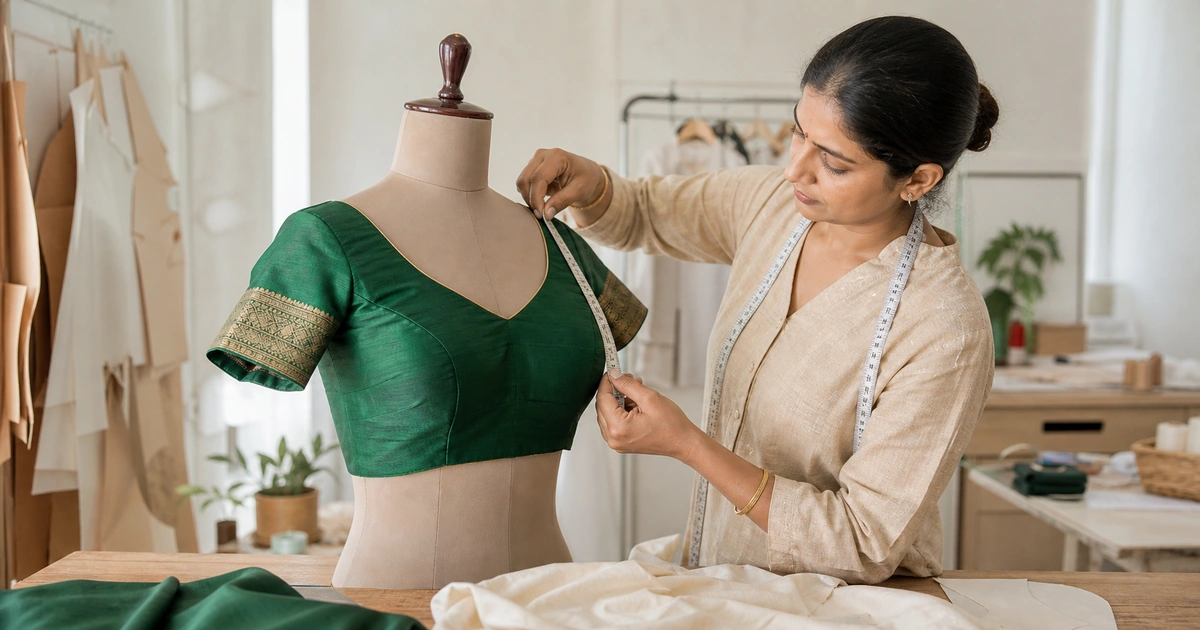
A blouse measurement checklist should capture more than bust size. Shoulder slope, underbust position, armhole depth, neckline, sleeve width and blouse length work together; an error in one area can make several other areas feel wrong.
Use this guide before a fitting through women’s stitching services. If you are local, review the Ludhiana tailoring process and bring the planned innerwear, saree or lehenga whenever possible.
Ten blouse measurements and fit decisions
1. Shoulder width and slope
The shoulder controls where the neckline and sleeve begin. Record width without forcing the posture straight, and note sloping or uneven shoulders. A seam placed too far inward can tighten the neck; too far outward can encourage slipping and distort the sleeve.
2. Full bust and bust position
Measure around the fullest area with the tape level and comfortably close. The pattern also needs the vertical and horizontal bust position so darts, princess seams or cups point correctly. A number without position cannot create balanced shaping.
3. Underbust and lower edge
The underbust affects support, blouse length and whether the garment rides upward. Confirm how closely the lower edge should fit and whether the blouse will be tucked, worn with a lehenga or paired with a high saree drape.
4. Front and back length
Measure from a stable shoulder point to the intended lower edge. Front and back lengths may differ because of bust shape and posture. Decide the final length while considering the saree or lehenga waistband rather than measuring the blouse in isolation.
5. Armhole depth
An armhole must remain neat without cutting into the underarm. Test lifting, reaching and bringing the arms forward. A low armhole may reduce control, while a tight one can pull the complete blouse upward whenever the arm moves.
6. Upper arm and sleeve opening
Record the upper-arm circumference and the preferred ease. Embroidered or non-stretch sleeves often need more movement allowance than a plain flexible fabric. Confirm sleeve length, cuff, border placement and whether the opening must accommodate bangles.
7. Front neckline depth
Measure depth from the agreed shoulder-neck point, not from a changing visual reference. Consider jewellery, innerwear, saree drape and bending. Save the actual number alongside the neckline shape so modesty and proportion are both understood.
8. Back neckline and closure
Back depth must work with the bra line, tie strings and opening method. Confirm whether hooks, buttons or a zip will be used and how much overlap is required. Decorative strings should not be expected to correct a poorly balanced shoulder.
9. Waist and side seam
Measure the torso where the blouse will actually end, then confirm side length and ease. A blouse can fit the bust but feel uncomfortable at the lower edge. Side seams should hang straight rather than tilting toward the front or back.
10. Trial movement
Measurements become meaningful only when tested in a trial. Wear the intended innerwear, fasten every hook, sit, raise the arms and mimic the saree drape. Mark pressure, gaping and movement issues before final embroidery or finishing closes access to the seams.
What to bring to a blouse fitting
Bring the intended innerwear, blouse fabric, lining, saree or lehenga, planned footwear when proportion matters and one blouse that demonstrates a useful fit. Explain both what works and what fails in the reference garment. Avoid switching innerwear styles between measurement and trial.
Keep a written fit record after the final blouse is approved. Note shoulder, bust, underbust, length, armhole preference, sleeve width and any posture adjustment. The record saves time on later orders while still allowing the tailor to adapt for a different fabric or neckline.
- Correct innerwear
- Shoulder and bust position
- Armhole movement
- Measured neckline depth
- Complete trial before finishing
Compare two options without second-guessing
Shortlist only two realistic options for blouse measurement checklist and score both against the same evidence: correct innerwear, shoulder and bust position, armhole movement, measured neckline depth, complete trial before finishing. Use a simple scale from one to five, but write one sentence beside every score. The sentence matters more than the number because it exposes assumptions such as “this should fit” or “I will probably find shoes later.” Replace those assumptions with a measurement, product detail, existing accessory or confirmed delivery fact.
Next, build the complete outfit for each option using items already in the wardrobe. Include innerwear, footwear, bag, jewellery and any layer or dupatta. Estimate how long the outfit will remain comfortable while sitting and moving, then name the second and third occasions for the main garment. An option that looks slightly quieter online may become the stronger purchase when it needs no extra accessories and already has several believable uses.
Keep the comparison note until the order arrives or the stitching is complete. During the trial, check the promises that influenced the decision: movement, coverage, colour coordination, care and timing. This small feedback loop improves the current choice and creates better evidence for the next one.
A practical check before you order
Before making a decision about blouse measurement checklist, compare the evidence that matters: correct innerwear, shoulder and bust position, armhole movement, measured neckline depth, complete trial before finishing. Open the relevant product pages together and read the fabric, fit, care, size and delivery information. Then picture the garment through a normal day that includes sitting, walking, the intended footwear and the accessories you already own.
If a measurement, material detail, lining choice, product inclusion or delivery expectation is unclear, ask before ordering rather than relying on an assumption. For custom stitching, keep the same questions in the consultation notes and confirm every piece before cutting. A short written comparison usually reveals which option has genuine repeat value.
Shop the edit
Products to continue your search
Use these live product pages to compare fabric, fit, colour, current price and finishing. Availability and order details are shown on each page.
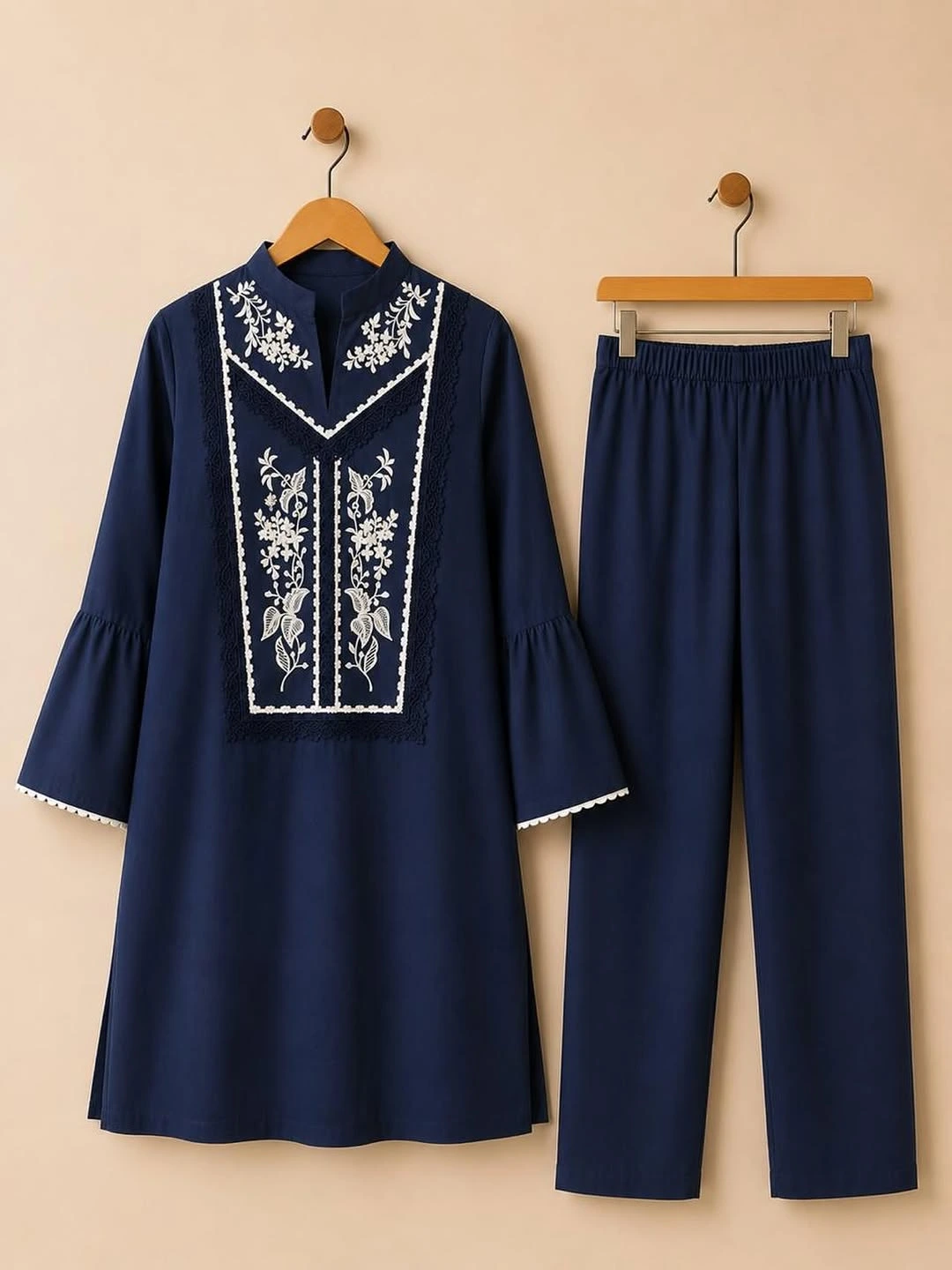
Midnight Heritage Navy Blue Mul Cotton Suit
A breathable navy mul-cotton suit with graceful proportion and understated boutique detail.
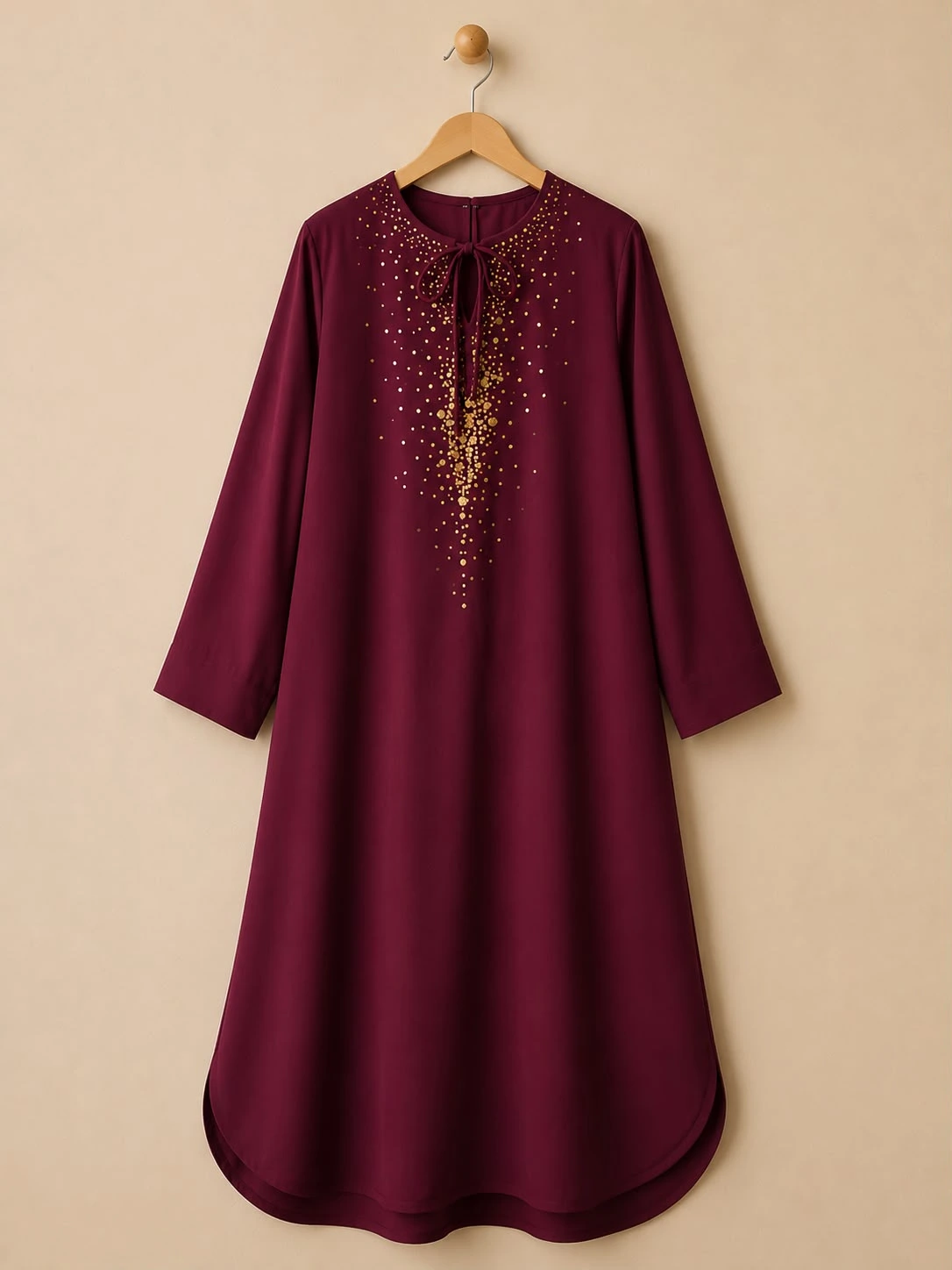
Wine Elegance Embellished Shirt Dress
A deep wine shirt dress with embellished detail and a structured occasion-ready line.
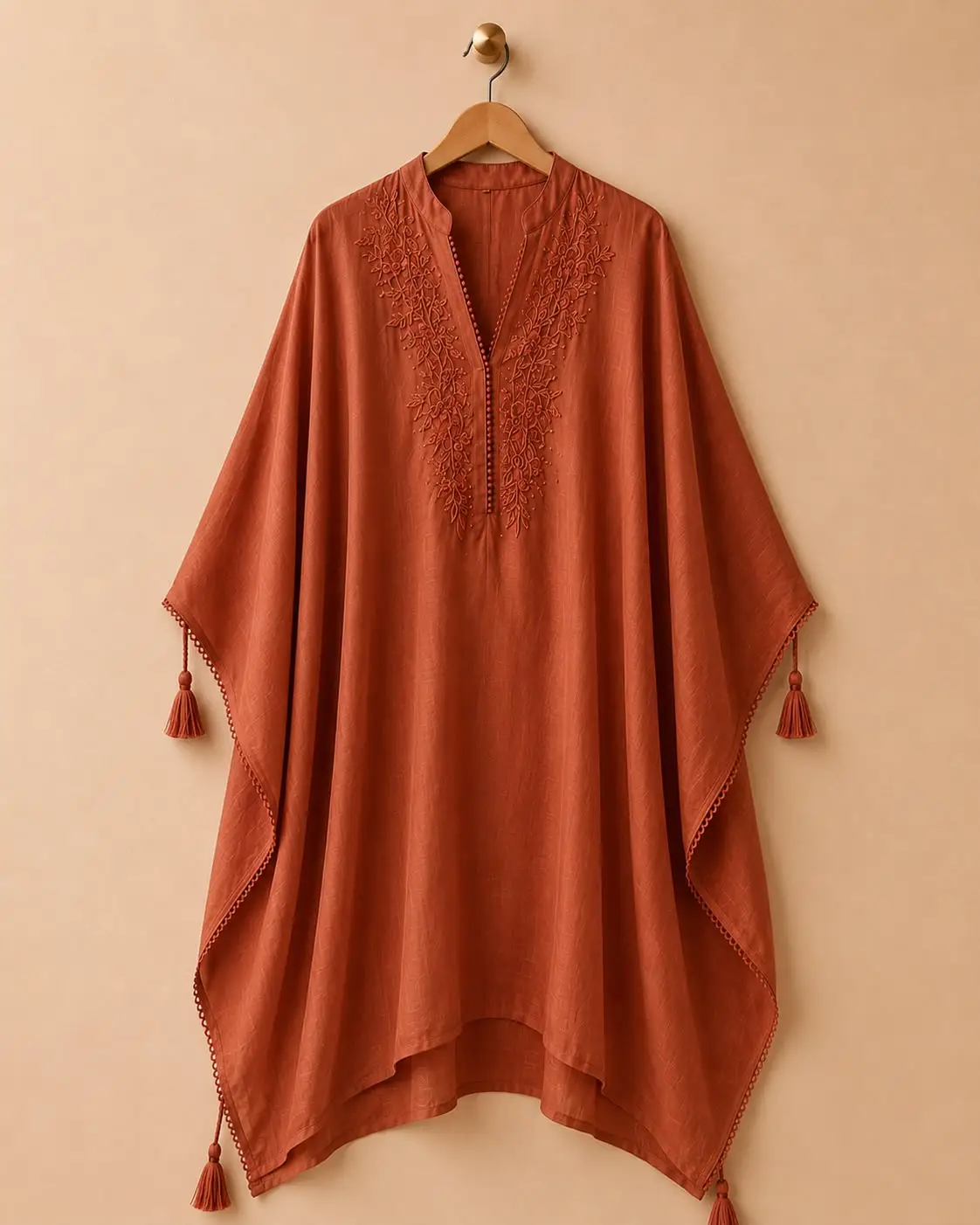
Rust Reverie Muslin Silk Kaftan
A flowing rust kaftan balancing festive colour, relaxed movement and occasion-ready finish.
Questions before you decide
Frequently asked questions
Can blouse measurements be taken from an old blouse?
A well-fitting blouse can provide useful garment measurements, but body changes, fabric and the new design still need consideration.
Why does a blouse gape at the neckline?
Possible causes include shoulder balance, neckline shape, bust shaping, closure placement or insufficient support. A trial identifies the actual cause.
Should padding be included during measurements?
The fitting must account for the intended padding, cups and innerwear because they change bust position and the required shaping.
Need a more personal fit?
Explore boutique products online or discuss women’s stitching and fitting preferences with Signature Stitch By Diksha.


Related posts

Compare festive outfits for women under Rs 5,000, including a linen co-ord, navy cotton suit...
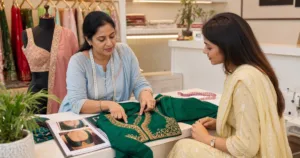
Plan blouse stitching in Ludhiana with guidance on measurements, padding, neckline, sleeves, lining, trials, home...

Choose a women’s co-ord set by checking shoulders, top length, waist, hips, trouser shape and...
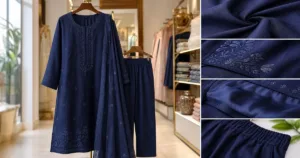
Choose a cotton suit for women by checking weave, opacity, shrinkage, lining, kurta fit, trouser...

Buy women’s clothing online more confidently by checking size, fabric, fit, product photos, care, price,...