
No products in the cart.
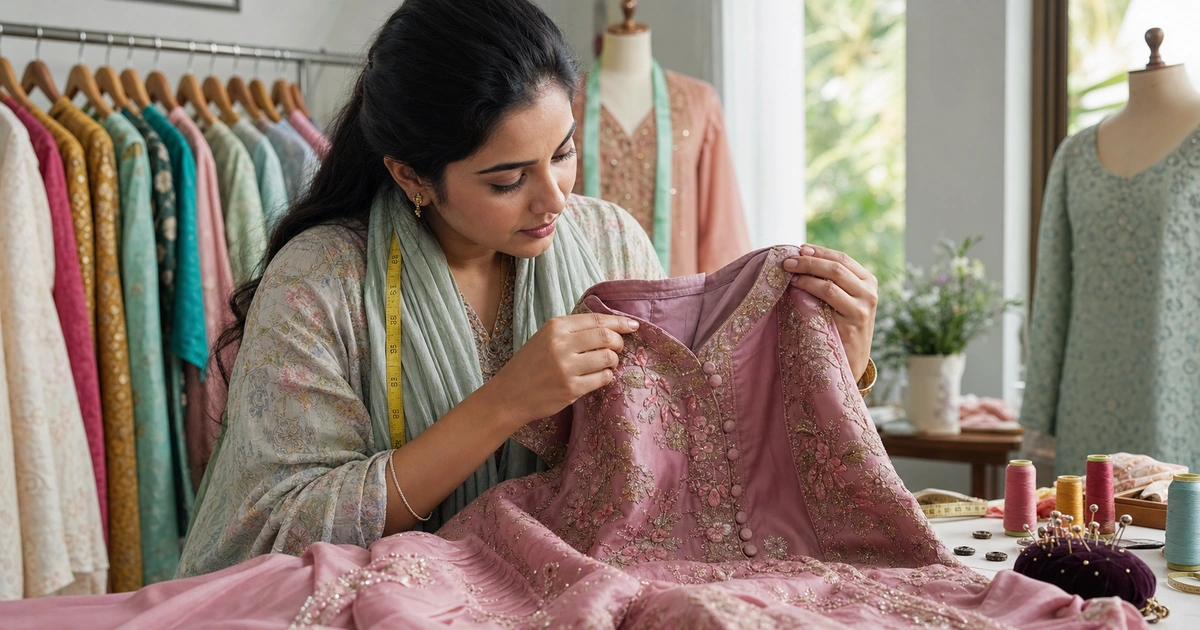
Boutique Clothing Quality Checklist: 12 Details Worth Inspecting
Look closely before calling it premium
Boutique clothing should earn its value through fabric choice, construction, proportion and detail, not through the word premium alone. A quality checklist helps shoppers examine the parts of a garment that remain important after studio lighting and styling are removed.
Apply these checks while browsing the women’s boutique collection. Online product pages cannot reproduce touch, but clear descriptions, close photographs and responsive answers can still provide useful evidence.
Twelve boutique clothing quality checks
1. Fabric suits the silhouette
A fluid kaftan, structured shirt dress and tailored co-ord require different material behaviour. The fabric should support the design rather than fight it. Read composition, lining and care, and notice whether the garment hangs evenly in several photographs.
2. Grain and print look balanced
Side seams, plackets and hems should hang close to their intended positions. One-way prints, borders and nap should face consistently. Twisting may indicate construction or fit issues, though model pose should be considered before drawing a conclusion.
3. Seams appear controlled
Look for smooth seam lines without puckering, skipped stitches or trapped fabric. High-stress areas such as armholes, pockets and trouser crotch need secure construction. Online, zoomed images and a clear return or query process become important.
4. Lining supports rather than stiffens
Lining should improve opacity, comfort or structure without changing the intended drape. Ask which areas are lined and consider climate. Heavy lining inside a breathable outer fabric may create a garment that looks good but feels difficult.
5. Buttons and closures stay functional
Buttons should suit the fabric weight, hooks should remain covered where needed and zips should lie smoothly. Decorative closures still need to survive sitting and movement. Placket gaping can reflect fit as well as closure spacing.
6. Embroidery is securely placed
Thread work, beads and appliqué should look balanced and remain away from severe friction where possible. Puckering around embroidery suggests tension between the detail and base fabric. Placement should not block all useful alteration seams.
7. Hems and edges are finished
Inspect sleeve edges, trouser hems, side slits, neckline facings and lining joins. A clean finish contributes to durability and how the garment hangs. Decorative raw effects should be clearly intentional rather than incomplete.
8. Pockets remain useful
A pocket should be deep enough for its purpose and should not pull the side seam or add unwanted volume. Test pockets while standing and sitting. Placement is part of both function and visual proportion.
9. Fit matches the design
Quality construction cannot compensate for the wrong size. Check shoulder, bust, armhole, waist, hip and rise according to the garment. Relaxed fit still needs deliberate balance, and fitted clothing still needs movement ease.
10. Pattern details align
Collars, cuffs, paired embroidery and front panels should feel visually balanced. Perfect symmetry is not always intended in handcrafted work, but the product should show a coherent design rather than accidental mismatch.
11. Care fits the price and use
Premium detail can require gentle handling, but the routine should match how often you plan to wear the item. Read cleaning and storage before checkout. Difficult care is not a defect when disclosed, but it affects value.
12. The garment has repeat evidence
Name three occasions and two separate-piece combinations where relevant. A beautifully finished garment still offers poor wardrobe value when it has no realistic place beyond the first photograph. Quality and usefulness should reinforce each other.
How to judge quality online
Use written product details, multiple photographs, close-ups, size information and direct questions. Save screenshots of the specific fabric, fit and inclusions that matter. Do not expect a product page to answer every personal question without communication.
Compare two garments using the same checklist rather than comparing brand language. The stronger option will usually provide clearer evidence about construction, care, fit and how the garment enters your real wardrobe.
- Fabric and silhouette
- Seams and lining
- Closures and embroidery
- Correct personal fit
- Repeat-use evidence
Compare two options without second-guessing
Shortlist only two realistic options for boutique clothing quality checklist and score both against the same evidence: fabric and silhouette, seams and lining, closures and embroidery, correct personal fit, repeat-use evidence. Use a simple scale from one to five, but write one sentence beside every score. The sentence matters more than the number because it exposes assumptions such as “this should fit” or “I will probably find shoes later.” Replace those assumptions with a measurement, product detail, existing accessory or confirmed delivery fact.
Next, build the complete outfit for each option using items already in the wardrobe. Include innerwear, footwear, bag, jewellery and any layer or dupatta. Estimate how long the outfit will remain comfortable while sitting and moving, then name the second and third occasions for the main garment. An option that looks slightly quieter online may become the stronger purchase when it needs no extra accessories and already has several believable uses.
Keep the comparison note until the order arrives or the stitching is complete. During the trial, check the promises that influenced the decision: movement, coverage, colour coordination, care and timing. This small feedback loop improves the current choice and creates better evidence for the next one.
A practical check before you order
Before making a decision about boutique clothing quality checklist, compare the evidence that matters: fabric and silhouette, seams and lining, closures and embroidery, correct personal fit, repeat-use evidence. Open the relevant product pages together and read the fabric, fit, care, size and delivery information. Then picture the garment through a normal day that includes sitting, walking, the intended footwear and the accessories you already own.
If a measurement, material detail, lining choice, product inclusion or delivery expectation is unclear, ask before ordering rather than relying on an assumption. For custom stitching, keep the same questions in the consultation notes and confirm every piece before cutting. A short written comparison usually reveals which option has genuine repeat value.
Shop the edit
Products to continue your search
Use these live product pages to compare fabric, fit, colour, current price and finishing. Availability and order details are shown on each page.
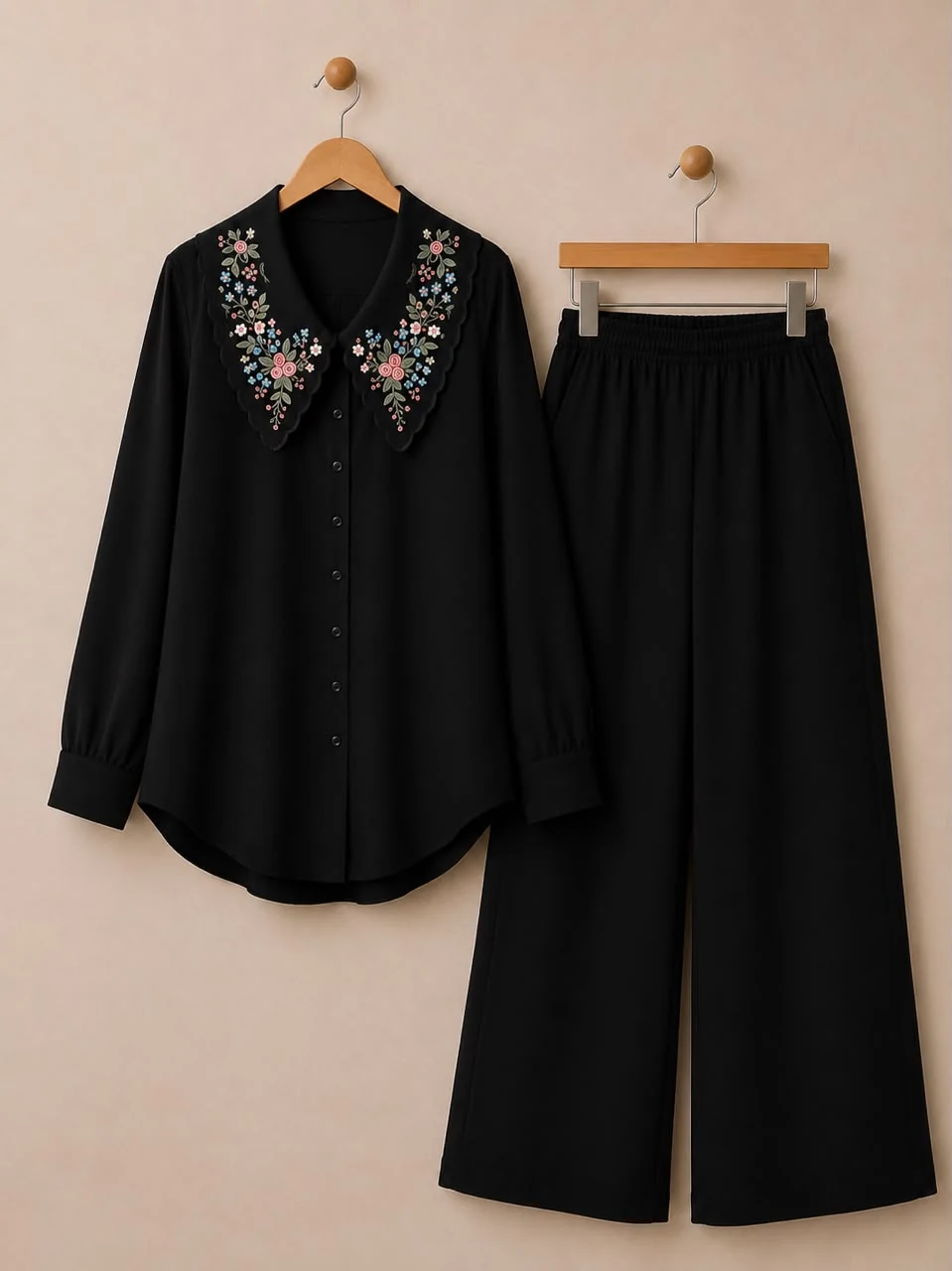
Women Black Bloom Embroidered Linen Co-Ord Set
A black blended-linen set with a floral collar and wide-leg trousers for polished repeat wear.
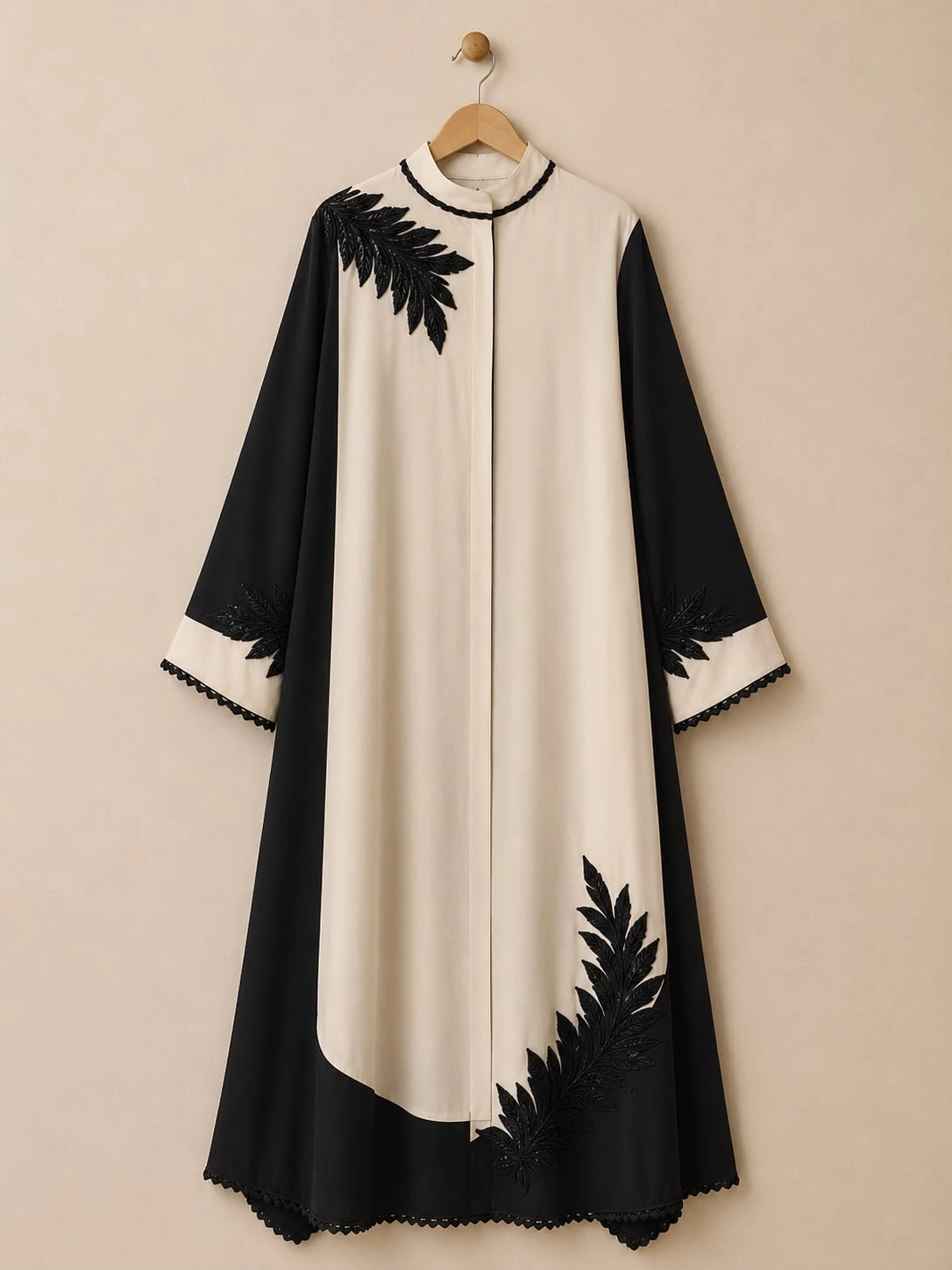
Beige & Black Leaf Embroidered Shirt Dress
A neutral embroidered shirt dress for work, dinners and smart daytime events.
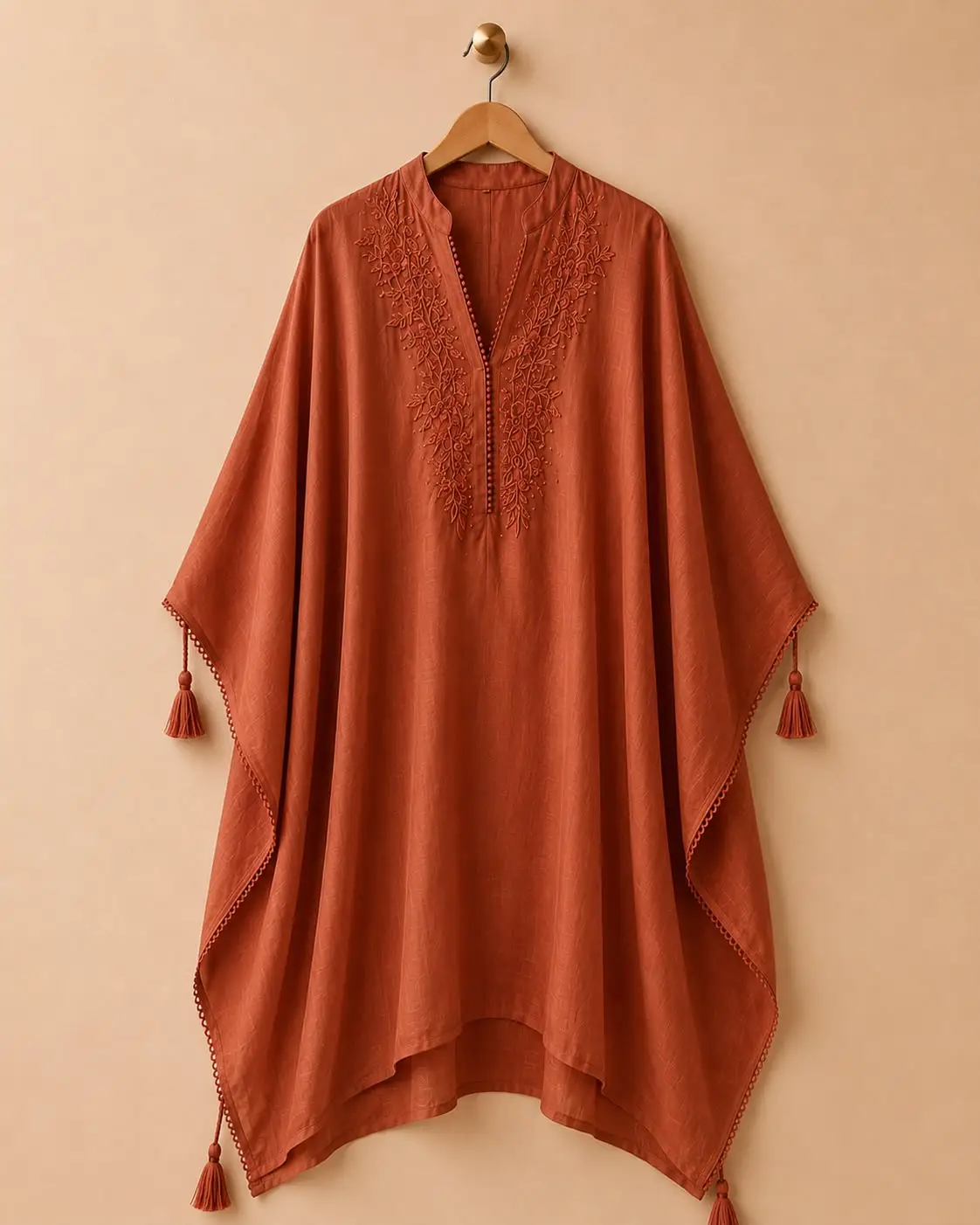
Rust Reverie Muslin Silk Kaftan
A flowing rust kaftan balancing festive colour, relaxed movement and occasion-ready finish.
Questions before you decide
Frequently asked questions
How can I check clothing quality online?
Use detailed descriptions, close-up images, size information, care guidance and direct questions about fabric, lining and construction.
Does expensive clothing always mean better quality?
No. Price can reflect many factors, so inspect fabric, construction, design detail, fit and repeat value.
Is handcrafted embroidery always perfectly symmetrical?
Small variations can occur in handcrafted work, but the overall placement and finish should remain coherent and secure.
Need a more personal fit?
Explore boutique products online or discuss women’s stitching and fitting preferences with Signature Stitch By Diksha.

Related posts
Use this checklist when choosing a ladies tailor near Pakhowal Road, covering measurements, movement, trials,...
Plan Punjabi suit stitching in Dugri Ludhiana with fit checks for shoulders, kurta length, salwar...
Use this BRS Nagar boutique guide to compare fabric, fit, finishing, measurements, customization, pricing and...
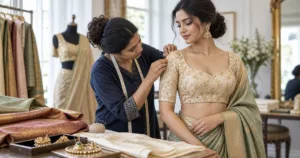
Plan blouse stitching in Sarabha Nagar Ludhiana with checks for cups, neckline, shoulder, sleeves, lining,...
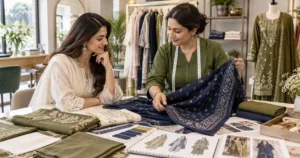
Plan suit stitching in Model Town Ludhiana with practical guidance on fabric, measurements, neckline, sleeves,...