
No products in the cart.
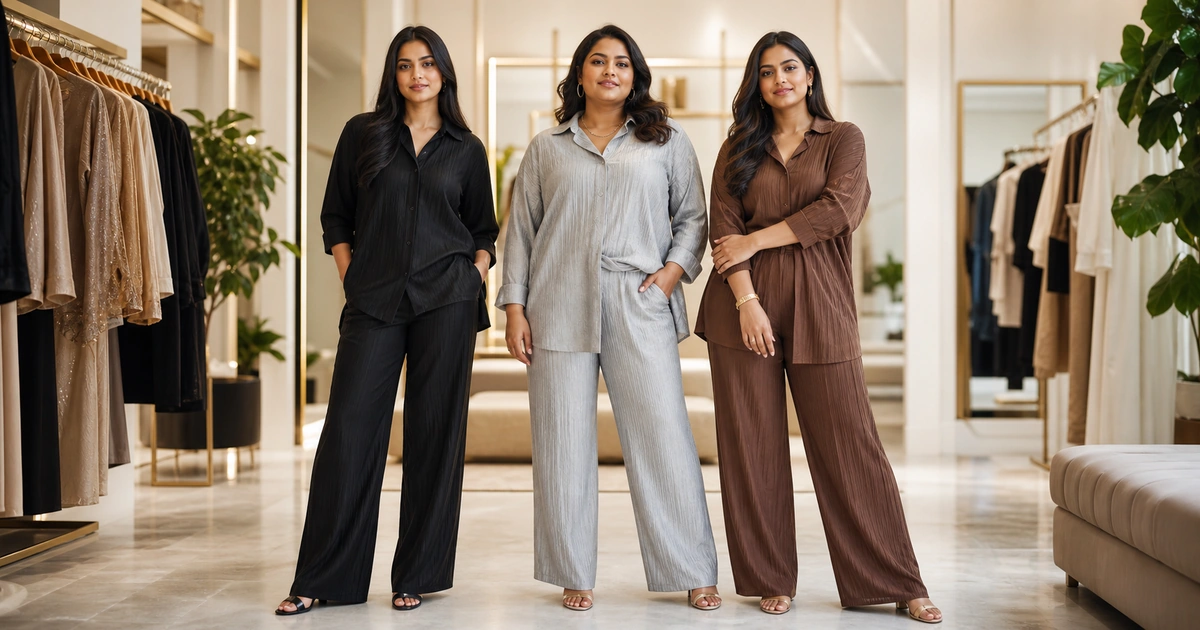
Co-Ord Set Fit Guide for Every Body Shape: Proportion Over Rules
Use proportion, not limiting labels
A co-ord set fit guide should offer practical proportion choices without telling women that only one silhouette is allowed. Body-shape labels can be a starting vocabulary, but shoulder balance, preferred emphasis, movement and personal style are more useful than rigid rules.
Browse women’s co-ord sets while using the checks below. The goal is to understand what each top length, trouser line and neckline does, then choose the effect you actually enjoy.
Eight proportion decisions for co-ord sets
1. Begin at the shoulder
The shoulder line frames the complete set. Structured shoulders add definition; dropped shoulders create ease and width. Choose intentionally and check upper-back movement. When the shoulder is wrong, changing trouser shape rarely restores a polished overall balance.
2. Use top length strategically
A cropped, hip-length or long top changes where the eye pauses. Test the top with the actual trouser rise and while sitting. Choose the length that supports your preferred coverage and proportion rather than following a rule attached to a body label.
3. Decide how much waist to show
A tucked shirt, shaped seam, belt or open layer can define the waist, while a straight top creates a continuous line. Both can look intentional. Ensure any definition sits comfortably and does not force excess fabric into bulky gathers.
4. Protect hip ease
Trousers should allow sitting and walking without strong pulling lines. If you prefer less visual emphasis at the hip, use smooth waistbands, clean pocket placement and fabric with controlled drape. Comfort remains more important than trying to hide a body area.
5. Choose trouser width with the top
Wide-leg trousers balance a shorter or more fitted top, while straight trousers can support longer layers and tunic shapes. Volume on both pieces can still work when the shoulder and hem lengths are deliberate. Evaluate the full silhouette in a mirror.
6. Use neckline as a focal point
An embroidered collar, open neckline or cape detail brings attention upward. Keep jewellery quiet when the garment already frames the face. A clean neckline leaves more room for earrings, scarves or a contrasting layer.
7. Consider height through hem breaks
Height does not ban any silhouette. What matters is where the top ends, where the trouser breaks and whether footwear continues or interrupts the line. Try the planned shoes before altering trouser length.
8. Photograph front, side and movement
A static front view can hide placket pulling, side-seam tilt or an uneven hem. Take simple photographs while standing, sitting and walking. Choose the set that looks intentional from several angles and feels easy enough to stop thinking about.
A fitting-room experiment that works
Try two deliberate contrasts: one longer top with straighter trousers and one shorter or shaped top with wider trousers. Keep the colour similar so proportion, not novelty, drives the comparison. Note which outfit supports your preferred coverage and movement.
Then test separate-piece value. A co-ord earns more wardrobe space when the top works with familiar denim or trousers and the bottom works with a white or navy shirt. Fit satisfaction and repeat styling should arrive together.
- Intentional shoulder
- Preferred top length
- Comfortable hip ease
- Balanced trouser width
- Several viewing angles
Compare two options without second-guessing
Shortlist only two realistic options for co-ord set fit guide for every body shape and score both against the same evidence: intentional shoulder, preferred top length, comfortable hip ease, balanced trouser width, several viewing angles. Use a simple scale from one to five, but write one sentence beside every score. The sentence matters more than the number because it exposes assumptions such as “this should fit” or “I will probably find shoes later.” Replace those assumptions with a measurement, product detail, existing accessory or confirmed delivery fact.
Next, build the complete outfit for each option using items already in the wardrobe. Include innerwear, footwear, bag, jewellery and any layer or dupatta. Estimate how long the outfit will remain comfortable while sitting and moving, then name the second and third occasions for the main garment. An option that looks slightly quieter online may become the stronger purchase when it needs no extra accessories and already has several believable uses.
Keep the comparison note until the order arrives or the stitching is complete. During the trial, check the promises that influenced the decision: movement, coverage, colour coordination, care and timing. This small feedback loop improves the current choice and creates better evidence for the next one.
A practical check before you order
Before making a decision about co-ord set fit guide for every body shape, compare the evidence that matters: intentional shoulder, preferred top length, comfortable hip ease, balanced trouser width, several viewing angles. Open the relevant product pages together and read the fabric, fit, care, size and delivery information. Then picture the garment through a normal day that includes sitting, walking, the intended footwear and the accessories you already own.
If a measurement, material detail, lining choice, product inclusion or delivery expectation is unclear, ask before ordering rather than relying on an assumption. For custom stitching, keep the same questions in the consultation notes and confirm every piece before cutting. A short written comparison usually reveals which option has genuine repeat value.
Shop the edit
Products to continue your search
Use these live product pages to compare fabric, fit, colour, current price and finishing. Availability and order details are shown on each page.
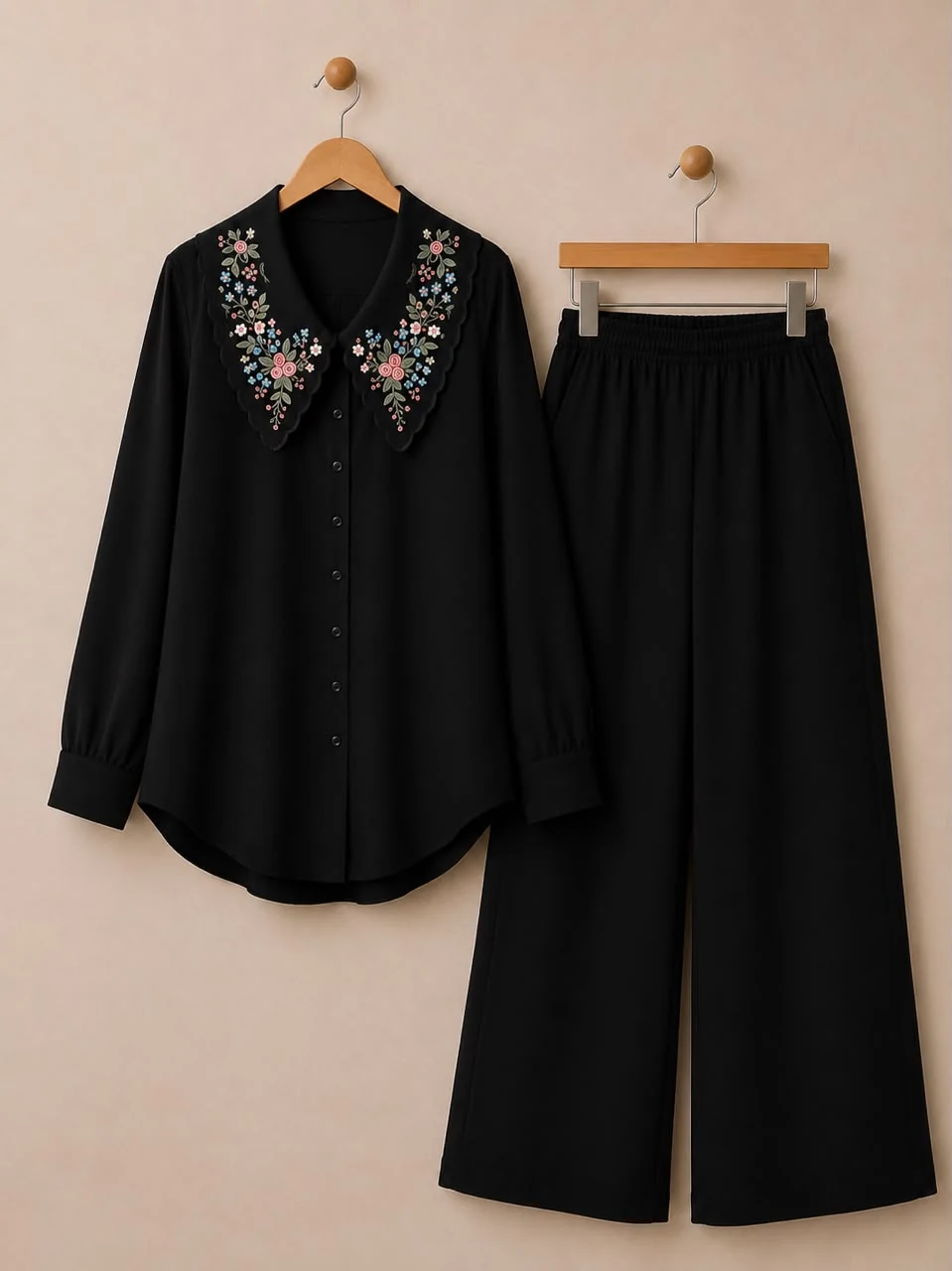
Women Black Bloom Embroidered Linen Co-Ord Set
A black blended-linen set with a floral collar and wide-leg trousers for polished repeat wear.
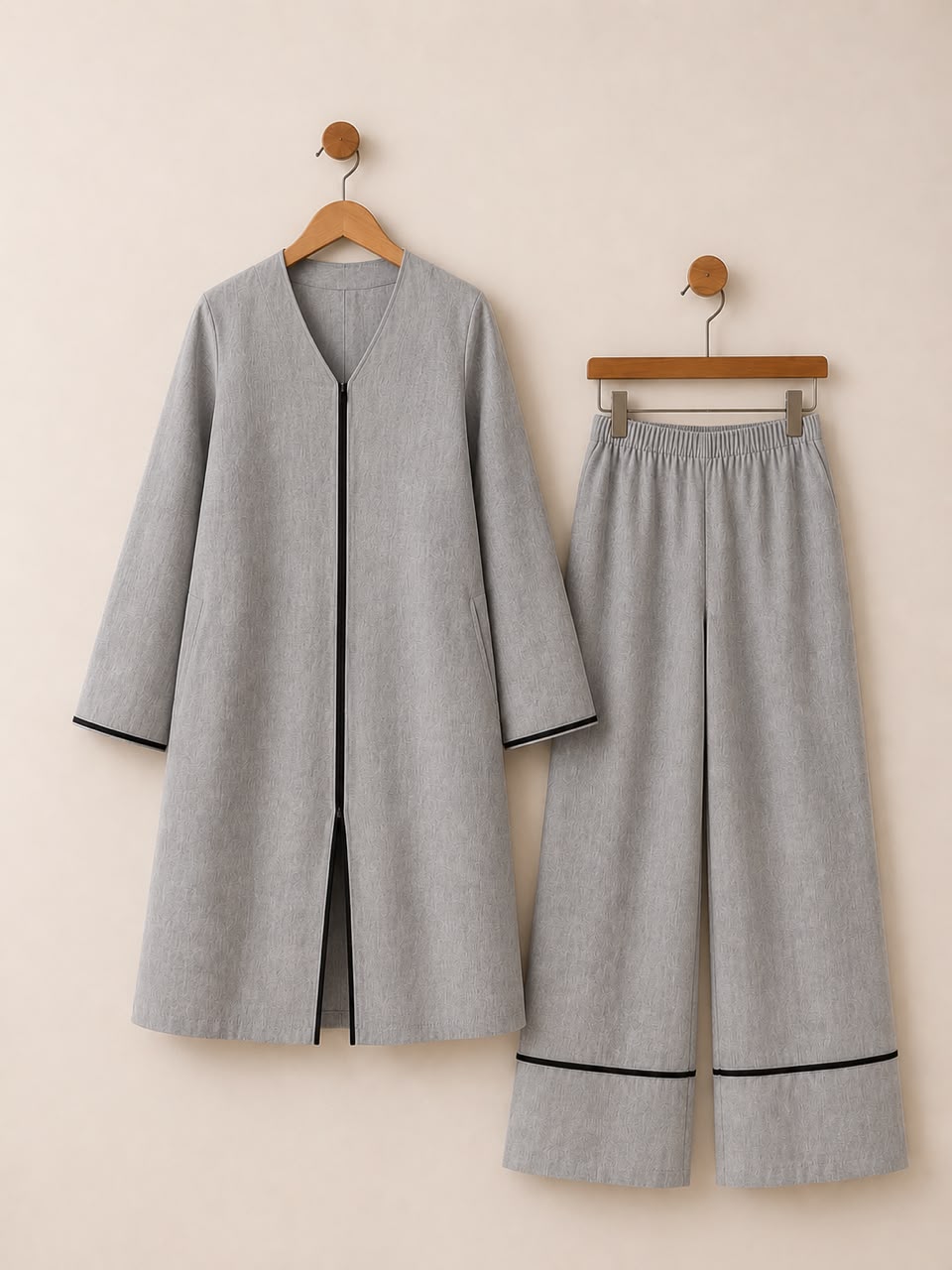
Silver Mist Linen Co-Ord Set
A light linen co-ord with clean lines, easy movement and a calm neutral palette.
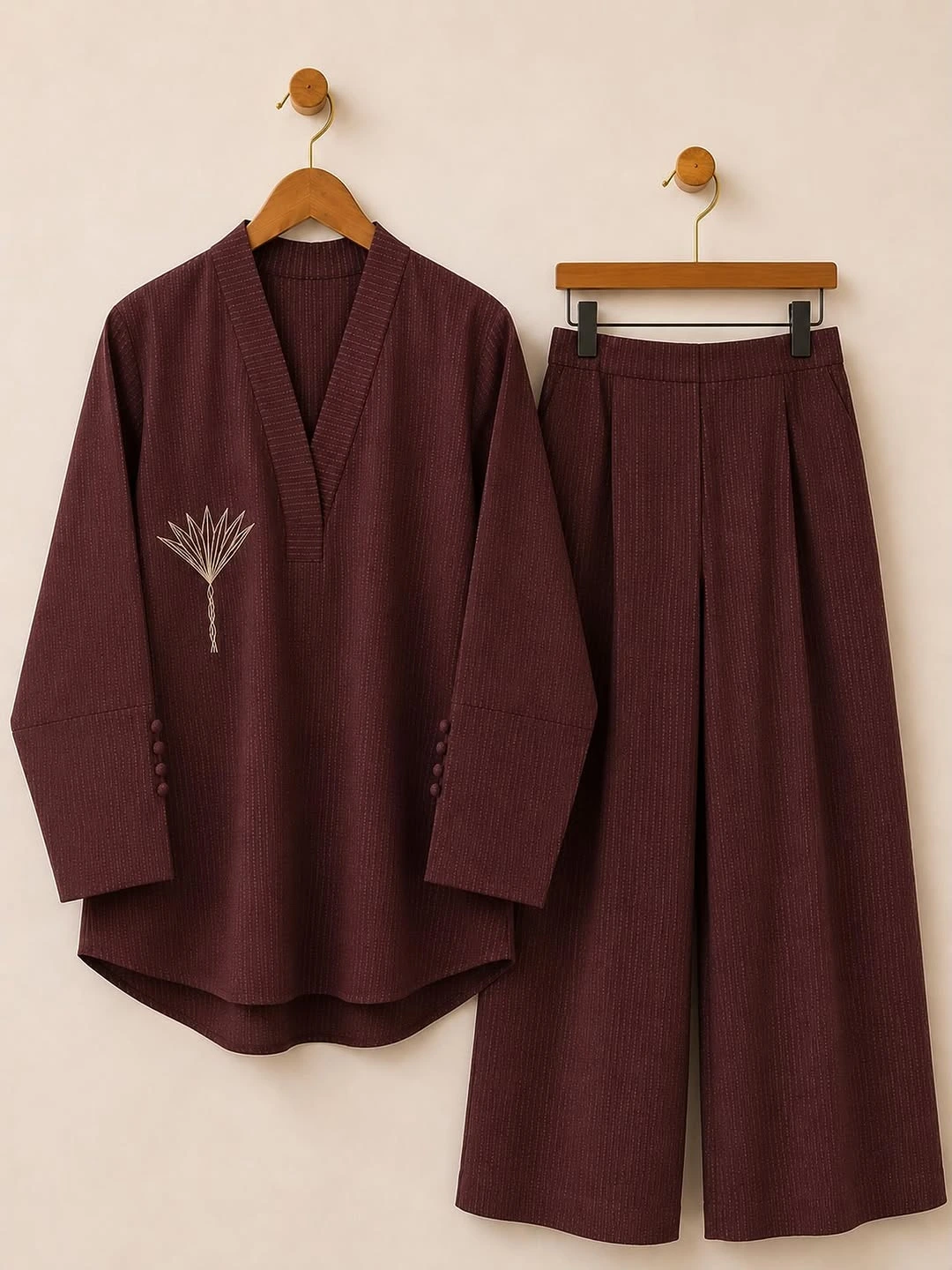
Cocoa Brown Heritage Co-Ord Set
A warm neutral co-ord with clean tailoring and separates that can be restyled.
Questions before you decide
Frequently asked questions
Can every body shape wear wide-leg co-ords?
Yes. Top length, trouser rise, hem and footwear influence proportion; there is no universal body shape that must avoid the silhouette.
Should a co-ord top cover the hips?
Only if that coverage supports your comfort and preferred look. Shorter, hip-length and longer tops can all be balanced intentionally.
How should a co-ord set fit?
It should follow its intended silhouette while allowing shoulder, waist, hip and seated movement without constant adjustment.
Need a more personal fit?
Explore boutique products online or discuss women’s stitching and fitting preferences with Signature Stitch By Diksha.

Related posts
Plan blouse stitching in Ludhiana with guidance on measurements, padding, neckline, sleeves, lining, trials, home...
Choose a cotton suit for women by checking weave, opacity, shrinkage, lining, kurta fit, trouser...

Buy women’s clothing online more confidently by checking size, fabric, fit, product photos, care, price,...
Build a women’s office capsule wardrobe with seven useful pieces, repeatable colours, breathable fabrics and...
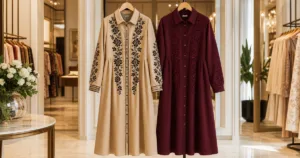
Choose an embroidered shirt dress by checking fabric, embellishment placement, security, lining, fit, length and...