
No products in the cart.
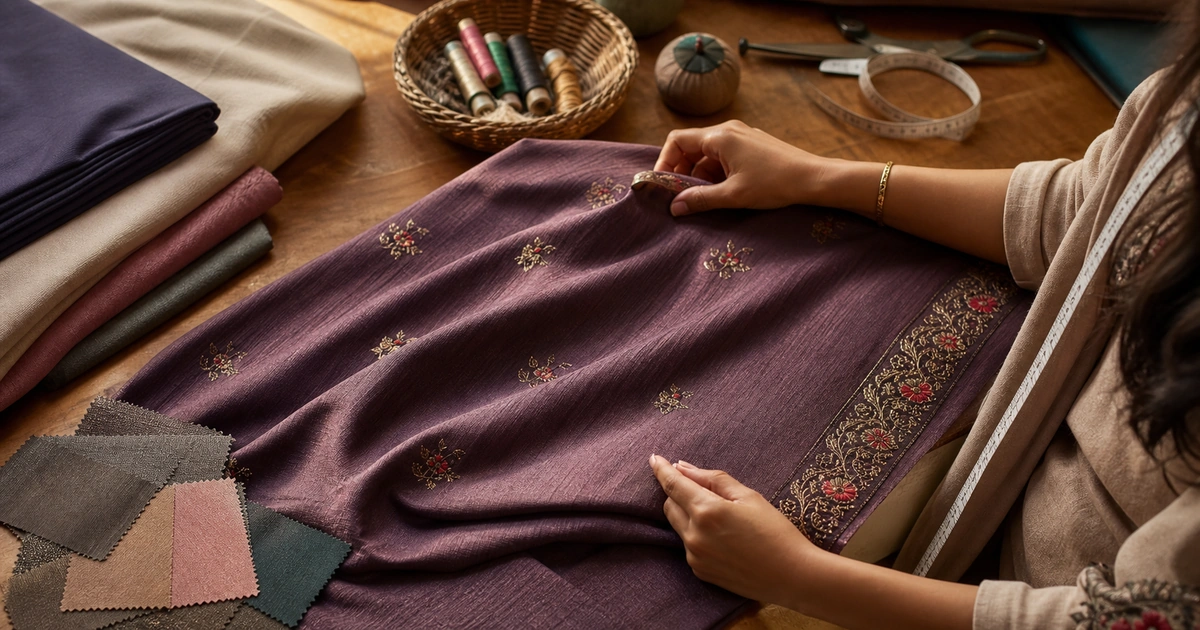
How to Prepare Fabric for Suit Stitching: 10 Steps Before Cutting
Protect the fabric before the first cut
Good stitching cannot fully rescue fabric that was not checked for shrinkage, grain, colour transfer or motif placement. Preparing the material before the appointment gives the tailor a clearer brief and reduces last-minute design compromises.
Use this guide before booking women’s stitching services or consulting a ladies tailor in Ludhiana. Fabric preparation should follow the seller’s care advice, especially when embroidery, prints or delicate blends are involved.
Ten fabric checks before suit stitching
1. Confirm fibre and care
Ask what the fabric contains and how it should be cleaned. Cotton, linen, silk blends and synthetic crape behave differently under heat, water and pressing. Keep the seller guidance with the fabric so the tailor does not have to guess how much handling it can tolerate.
2. Address shrinkage safely
Some everyday cotton and linen fabrics benefit from pre-treatment, while embellished, colour-sensitive or delicate materials may not. Never wash blindly. Follow reliable fabric guidance and complete any approved shrinkage process before final measurements and cutting.
3. Check colour transfer
Test only in a safe, inconspicuous way recommended for the material. A deep colour that transfers can affect light linings, contrast piping and dupattas. Knowing this early helps choose compatible components and a care plan that protects the completed suit.
4. Inspect for flaws
Open the full length under good light. Mark weaving flaws, stains, pulls, uneven print and damaged embroidery with removable indicators placed outside the cutting area. A tailor can often position around a flaw when it is identified before the layout begins.
5. Find the grain and direction
Pile, nap, border direction and one-way prints require every pattern piece to face consistently. Reversing one panel may create a visible colour or motif change. Discuss direction before choosing a silhouette that needs more fabric than expected.
6. Measure usable fabric
The total purchased length is not always the usable length. Borders, damaged edges, narrow width and pre-treatment can reduce what remains. Confirm fabric width and usable length before finalising flare, sleeve volume, trouser shape or a long kurta.
7. Plan motif placement
Decide where a large flower, embroidered panel or border should appear on the front, back and sleeves. Keep motifs away from darts and seams when distortion would be obvious. Photograph the preferred placement so the brief remains clear.
8. Select lining deliberately
Match lining to opacity, drape, colour and climate. A stiff or heavy lining can change the movement of a soft outer fabric. Bring enough lining for the confirmed areas and ask whether sleeves, bottoms or only the upper body require support.
9. Gather trims together
Buttons, hooks, zips, piping, tassels and lace should be compatible in weight and colour. Place everything in one labelled bag with the fabric. Missing trims can delay finishing or force substitutions that were never part of the original design.
10. Attach a written brief
Include the garment pieces, silhouette, neckline, sleeve, length, lining, pocket, event date and special placement notes. A short written brief prevents design references and verbal preferences from becoming disconnected during cutting and construction.
What to carry to the tailoring discussion
Bring the complete fabric, approved lining, trims, no more than two focused reference images, the intended footwear height and one well-fitting garment if it demonstrates a useful proportion. Explain what you like in each reference instead of requesting an exact copy without context.
Do not allow cutting until the number of pieces, lengths, ease, neckline, sleeves, bottom shape and motif placement are confirmed. Once fabric is cut, many design changes become expensive or impossible. Ten careful minutes before cutting can protect the entire order.
- Fabric and care details
- Usable length and width
- Lining and trims
- Motif placement notes
- Written garment brief
Compare two options without second-guessing
Shortlist only two realistic options for prepare fabric for suit stitching and score both against the same evidence: fabric and care details, usable length and width, lining and trims, motif placement notes, written garment brief. Use a simple scale from one to five, but write one sentence beside every score. The sentence matters more than the number because it exposes assumptions such as “this should fit” or “I will probably find shoes later.” Replace those assumptions with a measurement, product detail, existing accessory or confirmed delivery fact.
Next, build the complete outfit for each option using items already in the wardrobe. Include innerwear, footwear, bag, jewellery and any layer or dupatta. Estimate how long the outfit will remain comfortable while sitting and moving, then name the second and third occasions for the main garment. An option that looks slightly quieter online may become the stronger purchase when it needs no extra accessories and already has several believable uses.
Keep the comparison note until the order arrives or the stitching is complete. During the trial, check the promises that influenced the decision: movement, coverage, colour coordination, care and timing. This small feedback loop improves the current choice and creates better evidence for the next one.
A practical check before you order
Before making a decision about prepare fabric for suit stitching, compare the evidence that matters: fabric and care details, usable length and width, lining and trims, motif placement notes, written garment brief. Open the relevant product pages together and read the fabric, fit, care, size and delivery information. Then picture the garment through a normal day that includes sitting, walking, the intended footwear and the accessories you already own.
If a measurement, material detail, lining choice, product inclusion or delivery expectation is unclear, ask before ordering rather than relying on an assumption. For custom stitching, keep the same questions in the consultation notes and confirm every piece before cutting. A short written comparison usually reveals which option has genuine repeat value.
Shop the edit
Products to continue your search
Use these live product pages to compare fabric, fit, colour, current price and finishing. Availability and order details are shown on each page.
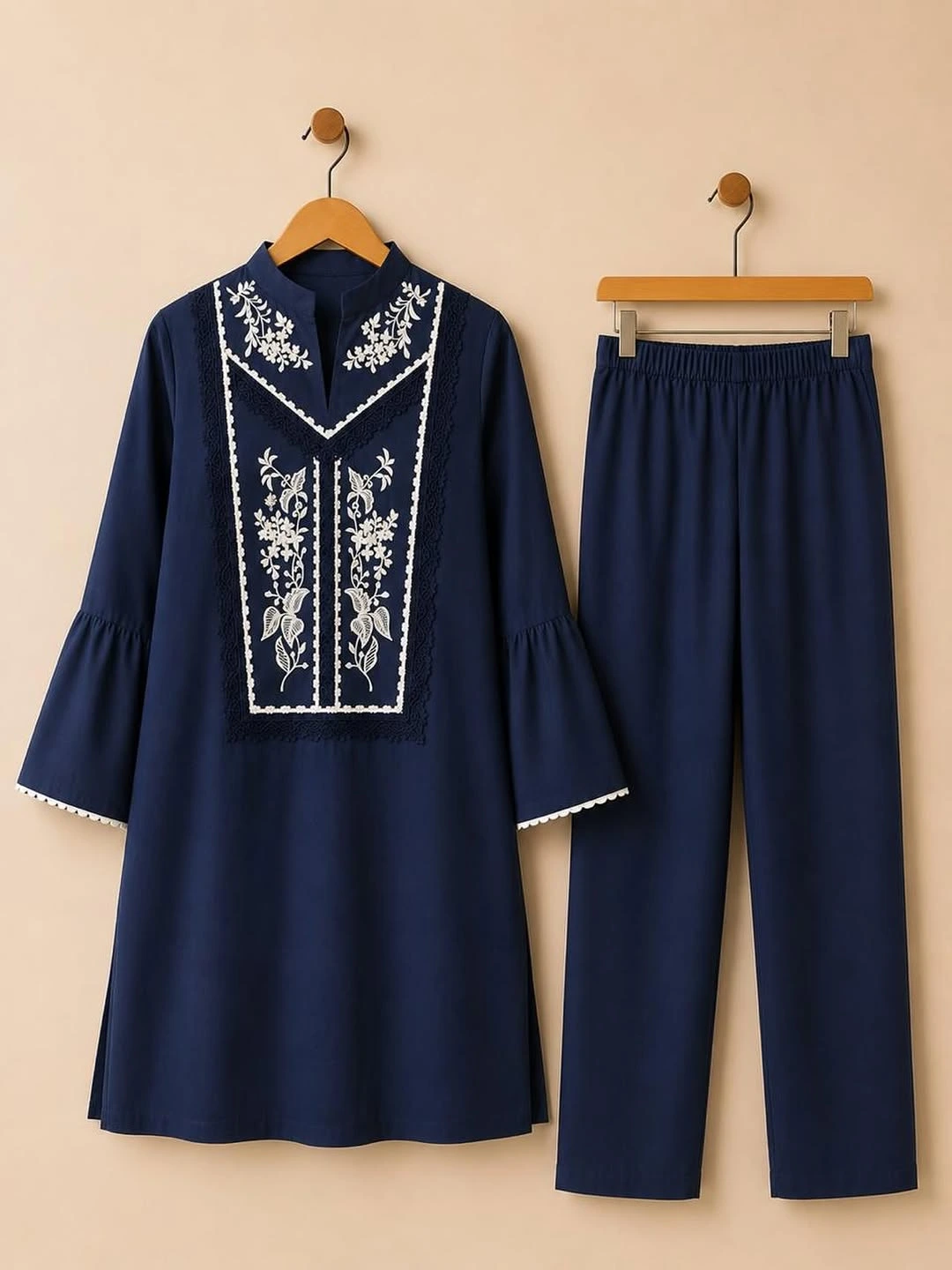
Midnight Heritage Navy Blue Mul Cotton Suit
A breathable navy mul-cotton suit with graceful proportion and understated boutique detail.
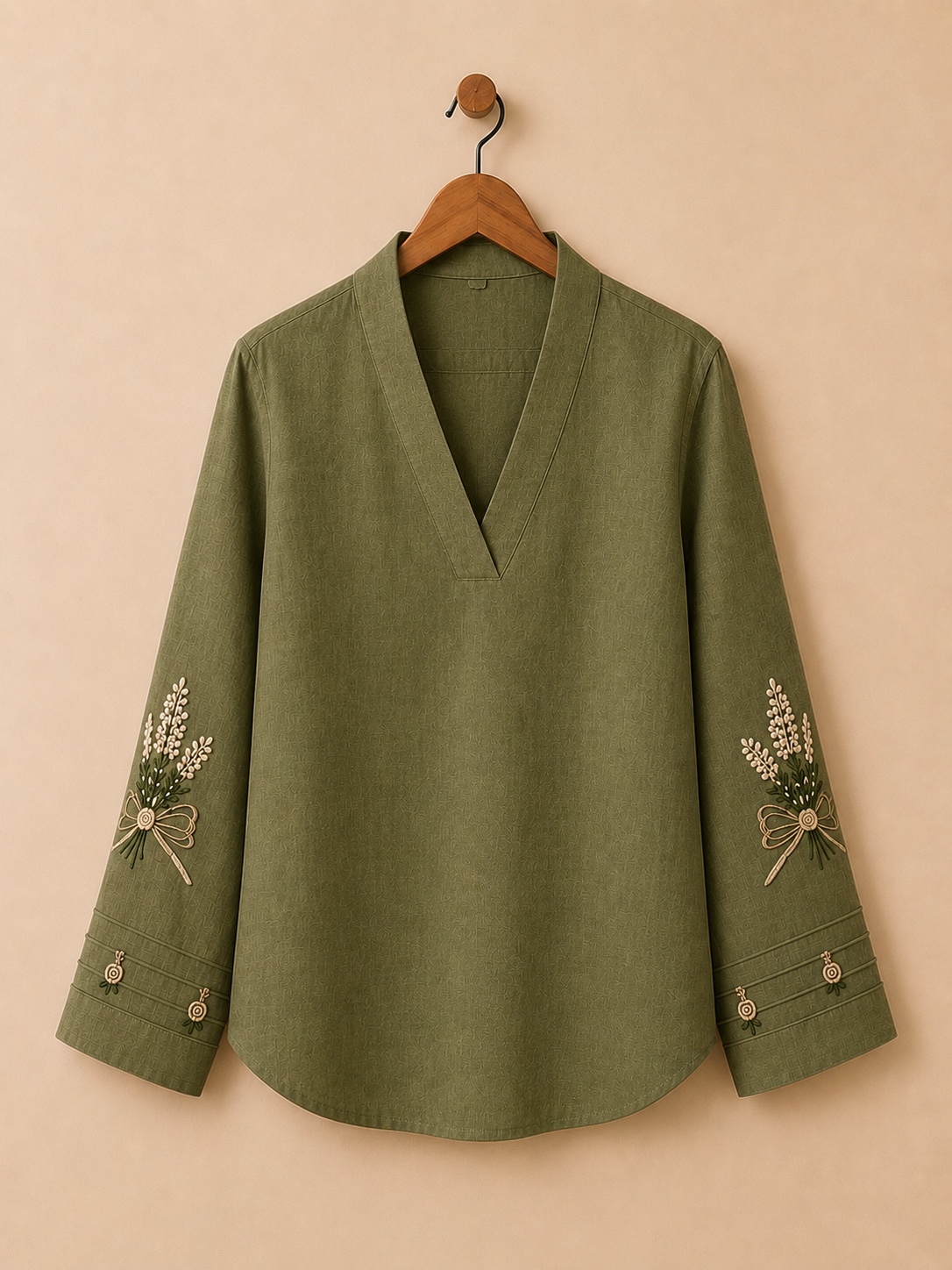
Olive Meadow Linen Shirt
An olive linen shirt for tonal workwear, understated festive colour and layering.
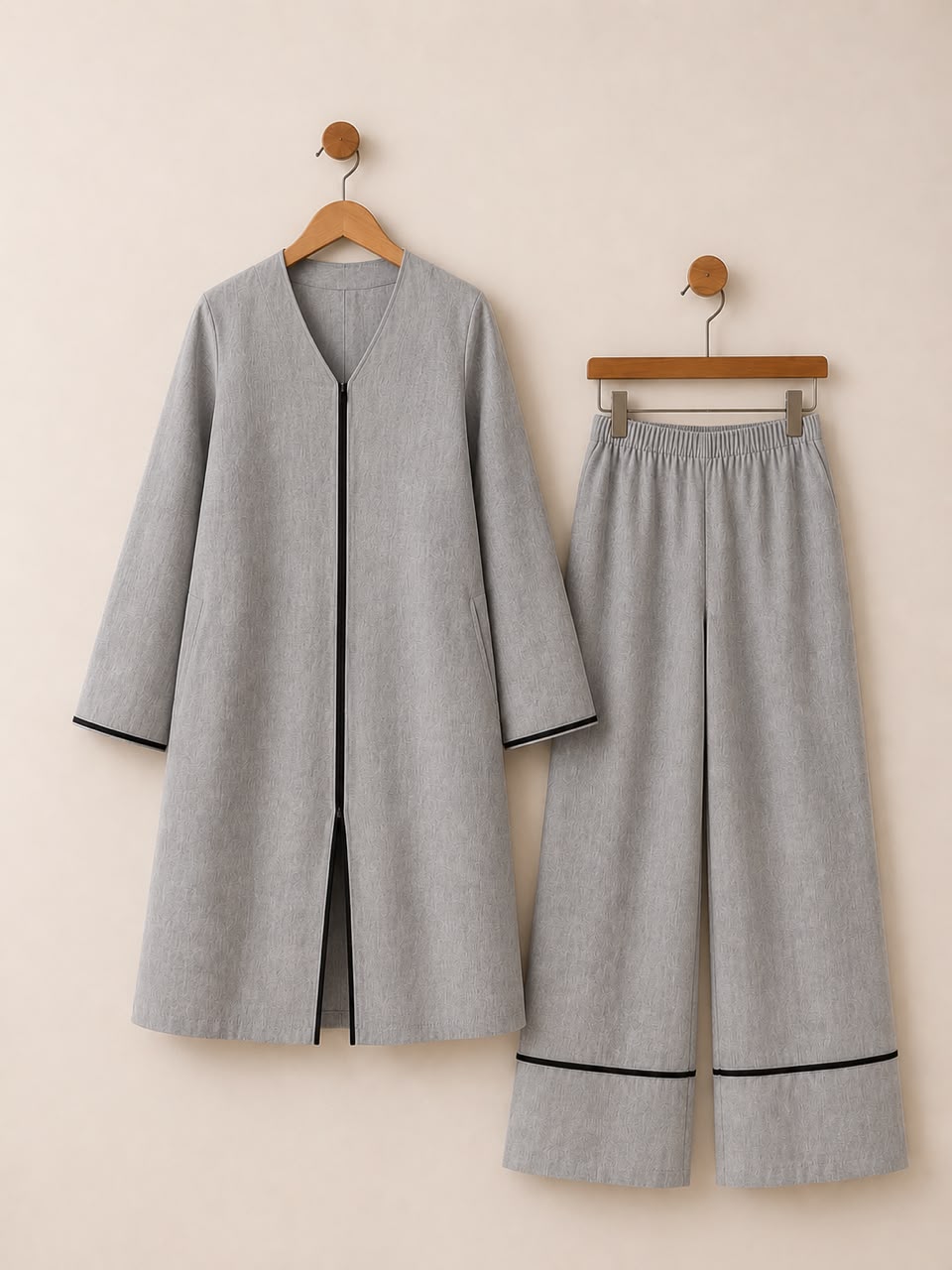
Silver Mist Linen Co-Ord Set
A light linen co-ord with clean lines, easy movement and a calm neutral palette.
Questions before you decide
Frequently asked questions
Should all cotton fabric be washed before stitching?
Not automatically. Follow the seller or tailor guidance because colour, embroidery and blends can change the correct treatment.
Why is fabric width important?
Width affects pattern layout, flare, sleeves and the number of pieces that can be cut from the available length.
Should lining be bought before the tailoring appointment?
It helps to discuss opacity and drape first, then purchase a compatible lining in the required quantity.
Need a more personal fit?
Explore boutique products online or discuss women’s stitching and fitting preferences with Signature Stitch By Diksha.


Related posts
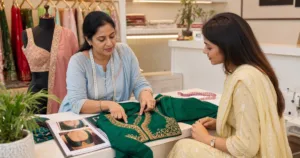
Plan blouse stitching in Ludhiana with guidance on measurements, padding, neckline, sleeves, lining, trials, home...

Choose a women’s co-ord set by checking shoulders, top length, waist, hips, trouser shape and...
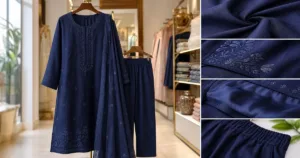
Choose a cotton suit for women by checking weave, opacity, shrinkage, lining, kurta fit, trouser...

Buy women’s clothing online more confidently by checking size, fabric, fit, product photos, care, price,...

Build a women’s office capsule wardrobe with seven useful pieces, repeatable colours, breathable fabrics and...